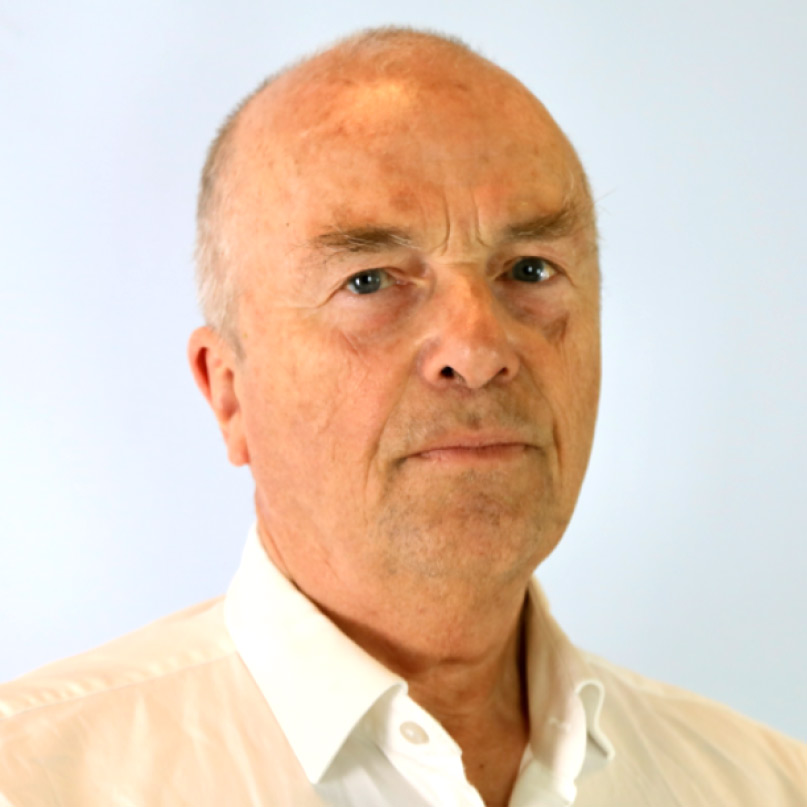
 Hans Rustad
 Det handler om noe mer enn en vanlig EU-utvidelse. Aldri før har et demokratisk Europa vært forent. Dette er like stort som Berlin-murens fall, skriver Timothy Garton Ash i Guardian. Det er verdt å merke seg for et peer gyntsk petrokongedømme i nord, som tror det kan få i pose og sekk, men mentalt beveger seg lenger og lenger inn i tåkeheimen.
This Saturday, May 1 2004, is a great day in European history. Nothing – not the fears or the resentments, not the terrorists or the demagogues – should stop us celebrating this day as it deserves.
What we achieve with the eastward enlargement of the European Union is more than just the demolition of the remnants of the Berlin wall, which artificially divided Europe into «west» and «east». It’s an unprecedented step towards a Europe whole and free. Never before in European history have so many countries of central and eastern Europe been together with their western neighbours as democracies in the same political, economic and security community, with equal rights and obligations. For centuries, they’ve been second-class citizens, poor relatives, objects of others’ designs. For centuries, they’ve had a complex of backwardness and exclusion, while west Europeans have caricatured them as exotic, eccentric and obscure. Ruritania. Dracula. Tintin’s Syldavia.
A third great chord of Europeanness is finally reintroduced to the unfinished symphony.
These are grand, sweeping terms. What do they mean for everyday lives? First of all, they mean that more Europeans are more free than ever. When I started travelling to these countries, more than 25 years ago, my contemporaries lived in a different world. They could not say what they thought, in public, or they would lose their university places or jobs. They could not travel where they wanted. They could not read what they liked. Their shop windows often resembled an empty morgue.
Acid jokes told their story. «Rabbi, can one build socialism in one country?» «Yes, my son, but one must live in another.» «Are the Russians our brothers or our friends?» «Our brothers – you can choose your friends.» Or this, from a Poland plagued by food shortages: A man goes into a butcher. «Could I have some pork, please?» «No, we haven’t any.» «Lamb?» «Nope». «Veal?» «Nope». «Some beef sausages?» «Nope». He leaves, downcast. «What an idiot!» the butcher’s assistant says. «Yes,» replies the butcher, «but what a memory!»
Unfinished symphony
On Saturday we should all celebrate a dramatic enlargement of freedom in Europe
Timothy Garton Ash
Thursday April 29, 2004
The Guardian